Kitchen Pepper

An aromatic seasoning pepper for Caribbean-style sauces, marinades, rice and stews. Choose it for fruity pepper flavour, and taste harvested pods before deciding how much to add.
CASA VERDE · HEAT PROFILE
Mild
- Sweet
- Mild — this variety
- Medium
- Hot
- Super hot
Scoville range awaiting confirmation.
Understanding the heat
A diamond marks the midpoint of a listed range, or the listed value when only one number is given. An arrow marks a stated limit. These are variety guides, not measurements of our seed lot. This guide uses unequal numerical bands: sweet 0; mild up to 10,000; medium 10,000–50,000; hot 50,000–800,000; super hot from 800,000 SHU (display capped at 3 million). Heat varies between fruits and with growing conditions.
No numeric marker is shown without a sufficiently clear range. For bundles, the highlighted categories refer to the different varieties.
A Scoville range has not been listed for this variety.
Shop all pepper seeds in Canada
- Packet
- 10+ seeds per packet
- Maturity
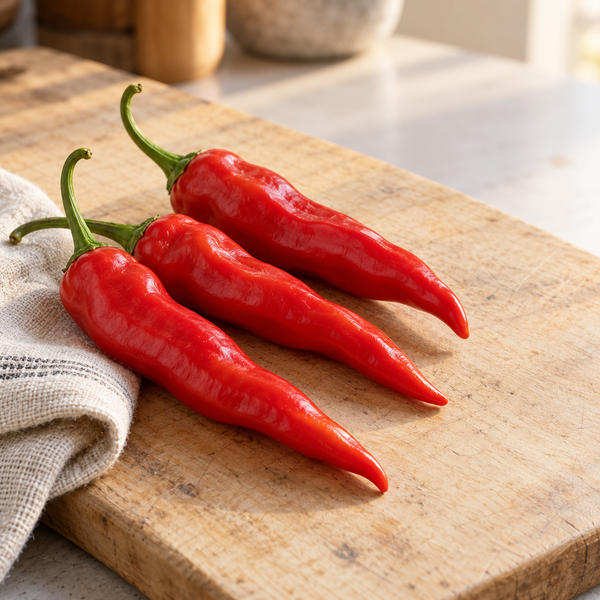
- Red-ripe pods for seasoning; allow a long warm season
- Plant habit
- Support fruiting branches; grow in sun with good drainage
- Origin
- Trinidad
FROM GARDEN TO KITCHEN
Tobago Seasoning, from seed to supper.
Use its fruity pepper aroma in rice, a blended marinade or a slow-simmered dish. Taste harvested pods first: the strength can vary.

01 / SEASON EVERYDAY RICE
Build flavour from the first spoonful.
Soften finely chopped Tobago Seasoning with onion, then cook with rice and your usual stock. Taste the pepper first and adjust the amount to suit the dish.

02 / BLEND A PEPPER MARINADE
Aromatic pepper, lime and garlic.
Blend ripe pods with lime juice, garlic, a little oil and salt. Use the mixture to season vegetables before roasting, adjusting the pepper quantity to taste.

03 / ADD DEPTH TO A STEW
Let the pepper cook into the sauce.
Soften chopped pepper with onion, add cooked beans and tomatoes, and simmer together. Tobago Seasoning becomes part of the aromatic base rather than a finishing garnish.
AI-generated culinary illustrations. Serving inspiration, not photographs of our harvest. Select a photo to enlarge.
CASA VERDE · GROWER’S NOTES
Get to know your pepper.
From seed to kitchen
Tobago Seasoning
Grow Tobago Seasoning for fruity pepper aroma in rice, stews, marinades and Caribbean-style seasoning. Its red pods bring flavour with generally gentle heat, but taste each harvest before seasoning a whole dish.
At a glance
Species
Capsicum chinense
Kitchen use
Seasoning, sauces and stews
Ripe colour
Red
Packet
10+ seeds
Why grow it?
A little finely chopped pepper adds aroma to a cooking base. Cook it with onion and garlic, or blend it into a marinade.
In the kitchen
- Chop into rice, beans or a stew.
- Blend into a jerk-style seasoning or marinade.
- Use small amounts in a fresh salsa, adjusting to taste.
Growing and harvesting
Start indoors around 8–10 weeks before your local frost-free planting date. Harden plants off gradually; plant into warm soil and keep moisture steady without waterlogging.
Support fruiting branches; grow in sun with good drainage.
Allow the green pods to turn red for ripe seasoning peppers. Plan a long warm season rather than a fixed harvest date.
Explore the seed collection
Pepper seeds CanadaFrequently asked questions
Is it completely heatless?
No. Supplier descriptions disagree on its strength. Treat it as a seasoning pepper with variable heat, and taste a small piece before use.
Is this the same as Trinidad Seasoning?
Tobago Seasoning is the name used here. Similar Caribbean seasoning peppers are sold under other names; those names do not establish that the seed lines are identical.
When should I start it in Canada?
Start indoors ahead of your local frost-free planting date. A warm, sheltered growing position gives the red fruit more time to ripen.
This variety is associated with Trinidad and Tobago. That is its culinary background, not a statement about where this seed lot was produced.
Cook your harvest
Use your harvest in these recipes. Check the variety notes and substitutions in each recipe.
Start indoors 8–10 weeks before last frost. Germinate at 26–30 °C on a heat mat; peppers stall below 22 °C. Pot up to 10–15 cm before hardening off outside after nights stay above 12 °C.
Feed balanced through bloom, then bump potassium for fruiting. Stake taller varieties. More detail in our full Canadian growing guide.
Match the pepper to the technique: thin-walled varieties blister fast in a hot pan; thick-walled ones roast or stuff beautifully; fruit-forward ones make balanced sauces and pickles. The variety's flavour profile is your shortcut — see Choosing the right pepper for a use-case guide.