Kitchen Pepper

Grow Poblano for broad, mild Mexican peppers that roast, peel and hold a filling. Use green pods for chile rellenos, or let fruit ripen before drying for ancho chilies.
CASA VERDE · HEAT PROFILE
Mild
- Sweet
- Mild — this variety
- Medium
- Hot
- Super hot
Understanding the heat
A diamond marks the midpoint of a listed range, or the listed value when only one number is given. An arrow marks a stated limit. These are variety guides, not measurements of our seed lot. This guide uses unequal numerical bands: sweet 0; mild up to 10,000; medium 10,000–50,000; hot 50,000–800,000; super hot from 800,000 SHU (display capped at 3 million). Heat varies between fruits and with growing conditions.
Shop all pepper seeds in Canada
- Packet
- 10+ seeds per packet
- Maturity
- Full-sized green pods for stuffing; allow longer for ripe ancho fruit
- Heat
- 1000–2000 SHU
- Plant habit
- Branching plants; support stems carrying large pods
- Origin
- Mexico
FROM GARDEN TO KITCHEN
One pepper. Three ways to use it.
Grow Poblano for broad peppers that roast beautifully, hold a filling, and become ancho chiles when ripened and dried.

01 / ROAST
Blister, peel, slice.
Roast green pods, then peel and cut into strips for tacos, sauces or a pan of rajas.

02 / STUFF
Make it the main dish.
Fill the broad pods with rice, beans and cheese, then bake until the filling is hot.

03 / DRY
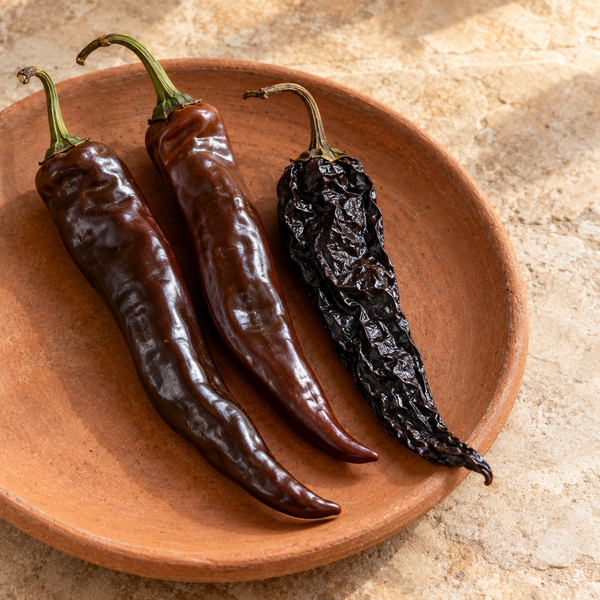
Save the harvest as ancho.
Let pods ripen fully before drying. Use the dried chiles in sauces or grind them for seasoning.
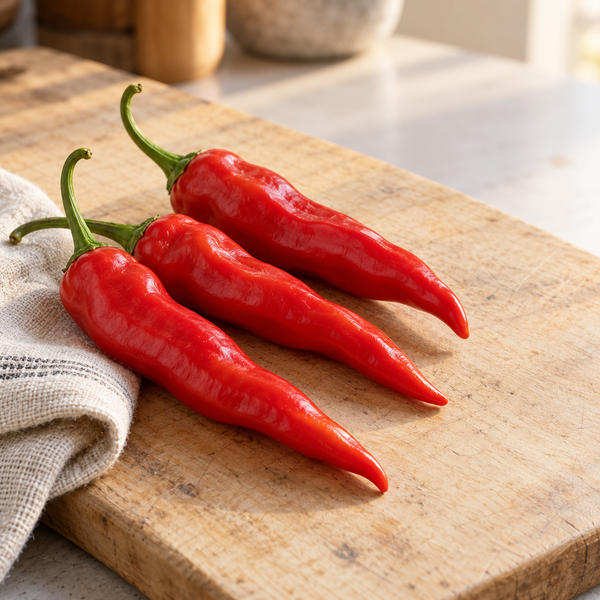
AI-generated culinary illustrations. Serving inspiration, not photographs of our harvest. Select a photo to enlarge.
CASA VERDE · GROWER’S NOTES
Get to know your pepper.
From seed to kitchen
Poblano pepper seeds
Grow Poblano for broad, mild Mexican peppers that roast, peel and hold a filling. Use green pods for chile rellenos, or let fruit ripen before drying for ancho chilies.
At a glance
Kitchen use
Stuffing, roasting, sauces
Heat
Mild; listed range 1,000–2,000 SHU
Shape
Broad, roughly heart-shaped pods
Packet
10+ seeds
Why grow it?
Poblano brings earthy pepper flavour and gentle warmth to a dish. Its broad shape makes it useful when the pepper itself is the centre of the meal.
In the kitchen
- Roast and peel for strips, sauces or a stuffed-pepper dish.
- Fill full-sized green pods for chile rellenos.
- Let pods ripen fully before drying for ancho-style sauces.
Growing and harvesting
- Start indoors: Begin around eight weeks before your planned outdoor planting date, adjusting for local conditions.
- Plant out: Harden seedlings off gradually. Wait until frost risk has passed and nights are reliably warm.
- Harvest green: Choose full-sized, firm green pods for roasting and stuffing.
- Harvest ripe: Allow extra warm growing time for full ripening if you want to dry the fruit for ancho. A green harvest and a ripe harvest are different targets.
Explore the seed collection
Pepper seeds CanadaGrowing peppers from seedPepper germination checklistStuffed poblanos with tomato rice and herbsChoose sweet and hot pepper seedsSweet and frying peppersQuestions about Poblano
Poblano vs ancho: what is the difference?
Poblano is the fresh pepper; ancho is the name used for its ripe, dried form.
Are Poblano peppers hot?
They are generally mild, but heat varies. Taste before using in a dish intended to have very little heat.
Should I harvest them green or ripe?
Green pods suit roasting and stuffing. Fully ripe pods are used for drying into ancho chilies.
Harvest timing, flavour and heat vary with growing conditions.
Cook your harvest
Use your harvest in these recipes. Check the variety notes and substitutions in each recipe.
Start indoors 8–10 weeks before last frost. Germinate at 26–30 °C on a heat mat; peppers stall below 22 °C. Pot up to 10–15 cm before hardening off outside after nights stay above 12 °C.
Feed balanced through bloom, then bump potassium for fruiting. Stake taller varieties. More detail in our full Canadian growing guide.
Match the pepper to the technique: thin-walled varieties blister fast in a hot pan; thick-walled ones roast or stuff beautifully; fruit-forward ones make balanced sauces and pickles. The variety's flavour profile is your shortcut — see Choosing the right pepper for a use-case guide.