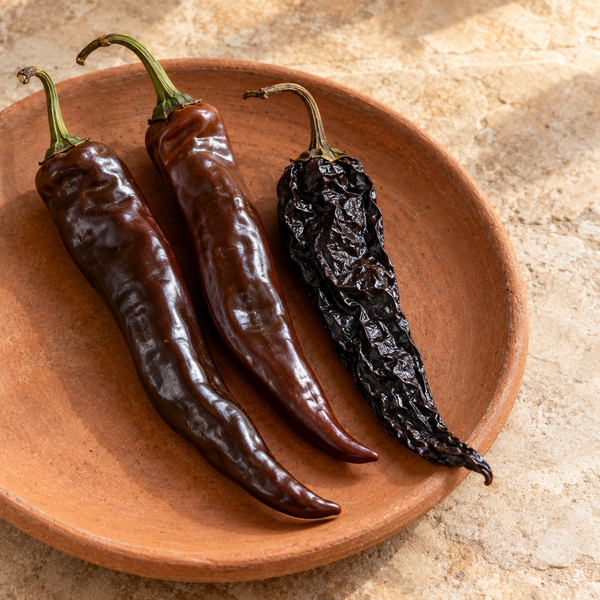
Compare these twenty varieties by the food you want to cook. This is a catalogue selection, not a ranking from a Casa Verde growing trial. For current packet details, availability and variety-specific growing notes, open the linked product pages.
1. Tam Jalapeño
A milder jalapeño option for pickling, salsa and stuffed halves. Compare its current heat and growing notes before choosing it for your garden.
2. Craig’s Grande Jalapeño
Choose its substantial jalapeño fruit for stuffing, grilling or slicing into salsa. Leave room for the plants and plan harvest timing around your growing conditions.
3. Habanero El Remo
A mild habanero-type option for fruity sauces, salsa and aromatic cooking. Use the variety page for its current heat classification rather than assuming all habaneros are extremely hot.
4. Habanada
Choose Habanada for habanero-like aroma without the heat. Try it fresh, sautéed or roasted when you want the pepper’s flavour to lead.
5. Wildcat Cayenne F1
A mild, thick-walled cayenne for roasting, sauces and pickling. All-America Selections describes this hybrid as mildly pungent; do not treat it as a thin-walled, intensely hot drying cayenne.
6. Shishito
Harvest tender green fruit for a quick blister in a hot pan. Heat can vary between fruits, so do not promise every shishito will be mild.
7. Poblano
Use the fleshy fruit for roasting and stuffing. Ripe poblano peppers can be dried for ancho-style preparations; fresh green and dried ripe peppers serve different kitchen roles.
8. Sweet Drop Biquinho
Small, beaked fruit suit pickling and garnishes. Their size makes them convenient in the kitchen, but does not by itself make the plant early-maturing.
9. Sweet Spanish Pepper
A sweet pepper to roast, slice into salads or cook into a spread. Plan enough warmth and time for the ripe harvest you want.
10. Aji Mango
Explore Aji Mango for fruity pepper sauces. The exact selection and seed-lot heat remain unconfirmed; use the current product notes instead of relying on a fixed Scoville promise.
11. Charapita
Tiny peppers with an aromatic, citrus-like character for sauces and seasoning. Add a little at a time; a small fruit can still contribute substantial heat.
12. Hot Portugal
A medium-heat option for sauces, flakes and pepper powder. Choose it for those uses without treating the variety name as a guarantee of yield or season length.
13. Leysa Pepper
A sweet, thick-fleshed pepper for raw slices or roasting. Allow the fruit to develop for the preparation you have in mind; a cooler site can delay ripening.
14. Jimmy Nardello
A sweet frying pepper with long fruit. Cook strips in a pan, tuck them into sandwiches or roast a tray for a vegetable dish.
15. Criolla de Cocina
An aromatic sweet pepper for salsa, stews and cooking bases. Choose it for flavour rather than expecting jalapeño-like heat.
16. Fushimi
A sweet Japanese frying pepper suited to whole-pan cooking and stir-fries. Young green fruit can be useful before the full ripe harvest.
17. Aji Cachucha
An aromatic, low-heat seasoning pepper for sofrito, beans and rice. It still needs warmth and time; low heat does not mean a short growing season.
18. Grueso de Plaza
A sweet, fleshy pepper for roasted strips, filled halves and cooked sauces. Growing conditions affect fruit size and yield; no exceptional performance in poor soil is promised.
19. Padron Pepper
Pick young green fruit for tapas-style pan cooking. Some fruits can be noticeably hotter than others, especially as they develop.
20. Ajvarski Pepper
Choose Ajvarski for roasting and pepper spreads such as ajvar. Roast and peel the fruit before preparing a spread to serve with a meal.
Plan the harvest before sowing
Compare your frost-free season with the needs of each variety. Green fruit for frying or stuffing can be useful before full ripeness. Small fruit alone does not guarantee an early harvest.
Choose varieties for your season · Plan seed-starting dates · Grow peppers in Canada
Wildcat reference: All-America Selections.